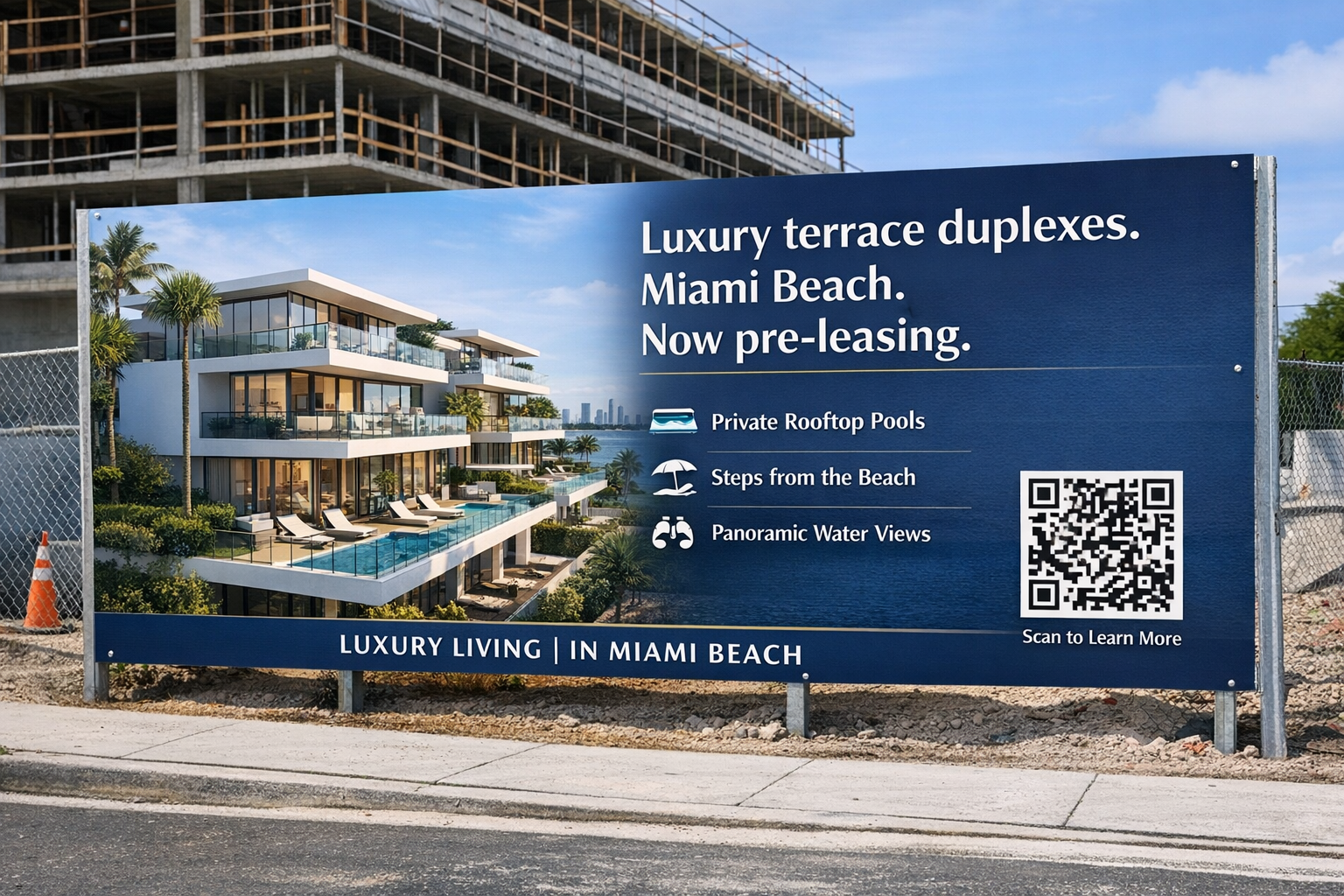
Your construction site is a billboard you are already paying for. Most developers never use it.
The moment hoarding goes up around your site, you have a large-format marketing surface in front of every person who walks or drives past that location daily. Residents. Commuters. Investors already familiar with the area. People who are not searching online but will stop and take notice of something that speaks directly to where they already are.
A physical hoarding makes a project feel real in a way digital advertising alone cannot. When a buyer repeatedly notices a project board near the actual site, they subconsciously feel the project is active and legitimate. That trust is difficult to manufacture through a social media ad.
Yet most hoarding boards go up with nothing more than a project name, a logo, and a phone number. The opportunity is wasted.
Here are 5 things every developer's hoarding board should contain to work as a genuine pre-leasing tool.
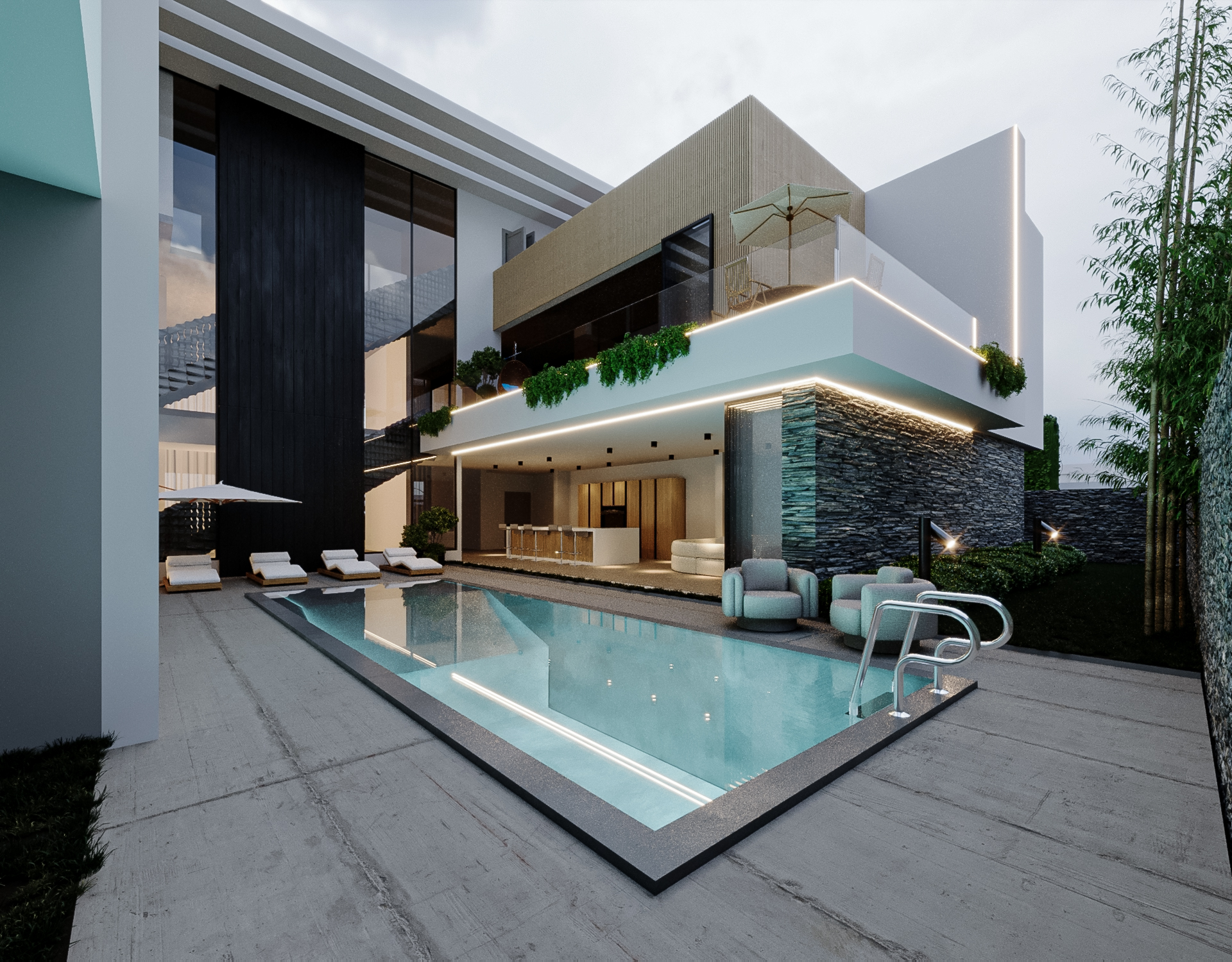
1. A development render
Buyers cannot see what is not yet built. A high-quality architectural render of the finished development gives them something concrete to respond to emotionally. It answers the most important question a passerby has: what is this going to look like? Without it, the board is informational. With it, the board is persuasive.
2. A single compelling headline
Not the development name. A headline that communicates the value of the opportunity in one line. "Luxury terrace duplexes. Lekki Peninsula. Now pre-leasing." A passerby has roughly three seconds of attention. The headline decides whether those three seconds become a QR code scan.
3. Key development highlights
Two to three specifics that speak directly to what your target buyer values. Unit type, location advantage, completion timeline, and a standout amenity. Not a list of every feature. The two or three things that make this development worth stopping for.
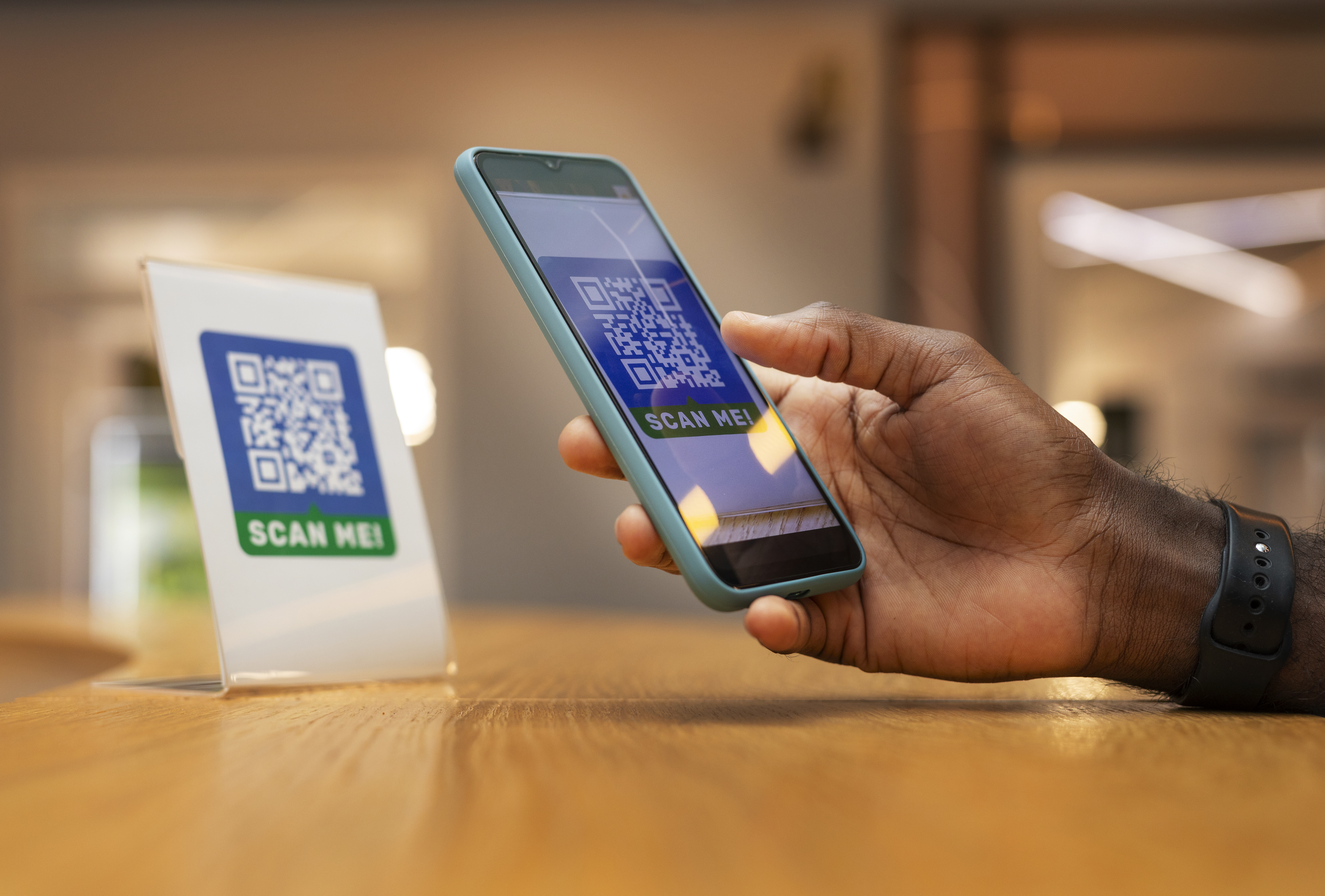
4. A QR code linked to a pre-leasing landing page
This is the bridge between offline attention and online conversion. A phone number alone requires a buyer to remember it, save it, and act later. A QR code removes that friction entirely. Scan, land on the page, register interest. The lead is captured in the moment the attention exists.
5. Visual consistency with all other marketing materials
The hoarding board, the multi-page brochure, the investor deck, and the digital campaign should all feel like they belong to the same development. When the visual language is consistent across every touchpoint, it signals that this is a serious, well-managed project. When it is not, it quietly raises doubt.
The developers who pre-lease fastest are not always the ones with the strongest product. They are the ones whose marketing works at every touchpoint simultaneously, including the one that is already standing on the street.
If your next development is going live and you want your hoarding to perform as a true marketing asset, contact us to discuss your project and how it should be executed.